
Let us contact you
What Are the Differences Between SMT and THT Assembly?
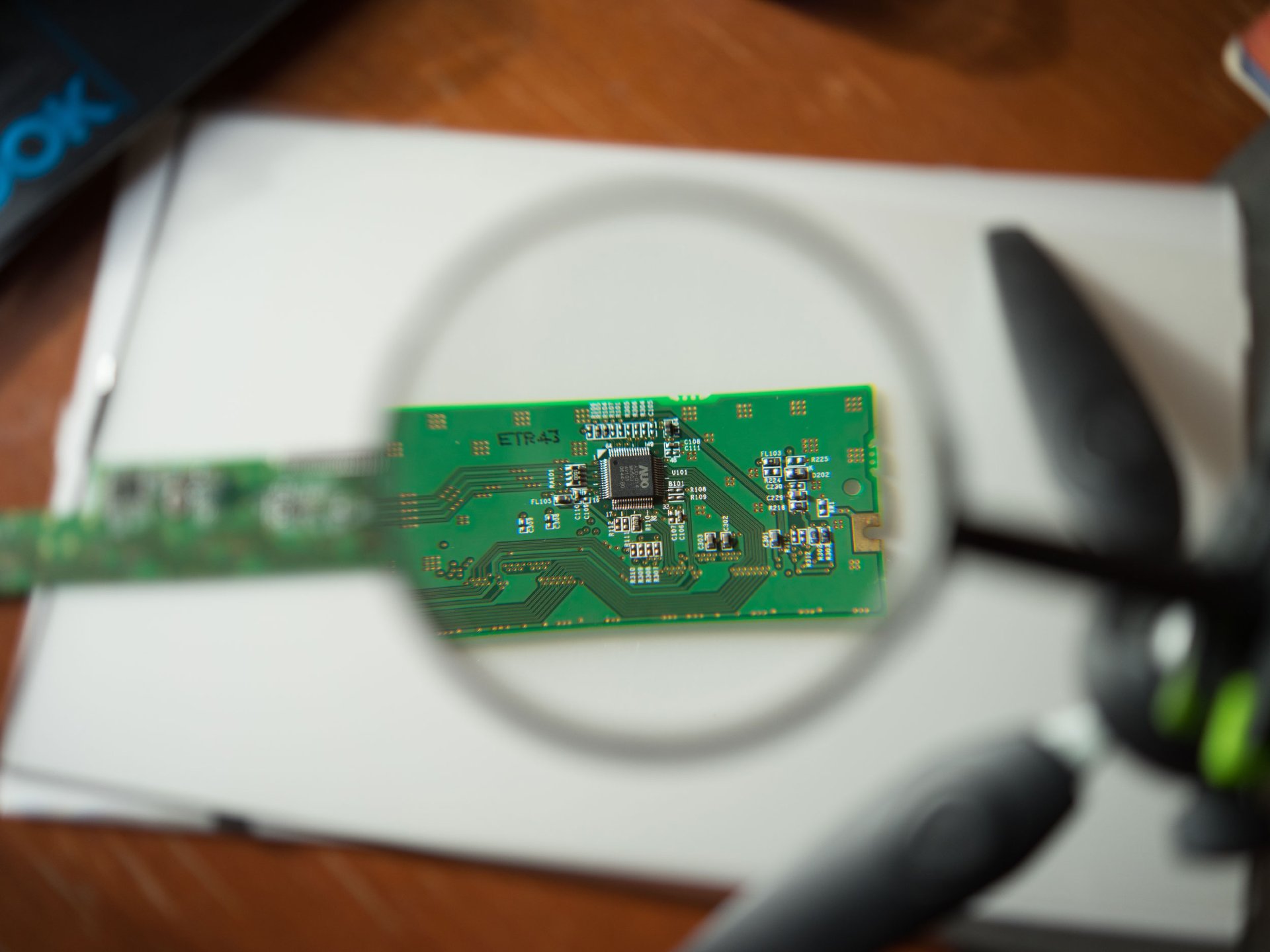
❝Learn the key differences, advantages, and applications of SMT and THT assembly technologies in modern electronics manufacturing.
Two of the most common assembly methods in electronics manufacturing are SMT (Surface Mount Technology) and THT (Through-Hole Technology). Each offers unique advantages depending on the application, production volume, and durability requirements.
1. Surface Mount Technology (SMT)
In SMT, electronic components are mounted directly onto the surface of a printed circuit board. Automated placement machines enable fast, high-volume production, making SMT ideal for compact electronic devices.
2. Through-Hole Technology (THT)
In THT assembly, component leads are inserted through holes in the PCB and soldered on the opposite side. This method provides excellent mechanical strength and is widely used in industrial, automotive, and power electronics applications.
3. Production Speed
SMT production lines offer significantly higher production speeds due to their advanced automation. THT generally requires more manual operations, resulting in longer production times.
4. Durability
THT provides stronger mechanical connections for applications exposed to vibration and heavy loads. SMT is better suited for compact, lightweight, and high-density electronic products.
5. Cost
For high-volume manufacturing, SMT is generally more cost-effective. THT can be a practical solution for low-volume production or specialized applications requiring enhanced durability.
6. Applications
SMT is commonly used in consumer electronics, telecommunications, medical devices, and computer hardware. THT is preferred for power supplies, industrial control systems, automotive electronics, and defense applications.
Conclusion
Both SMT and THT technologies have their own strengths. Selecting the appropriate assembly method depends on product requirements, manufacturing goals, and performance expectations. Many modern electronic products combine both technologies to achieve the best balance of reliability and efficiency.
Search our site